
Garage Floor Tiles Asheville, SC
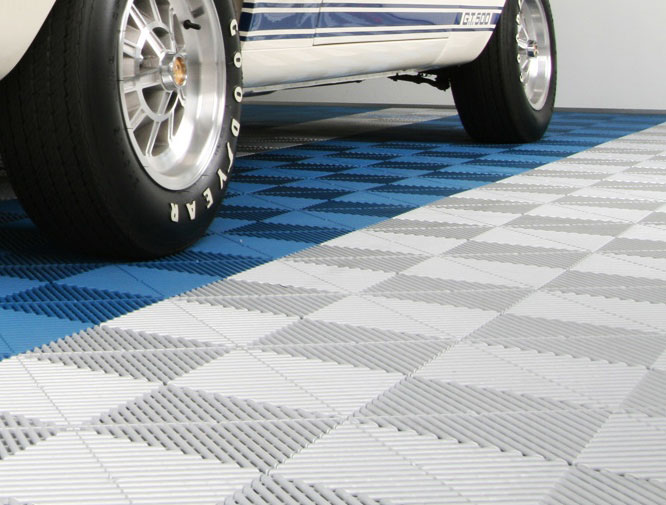
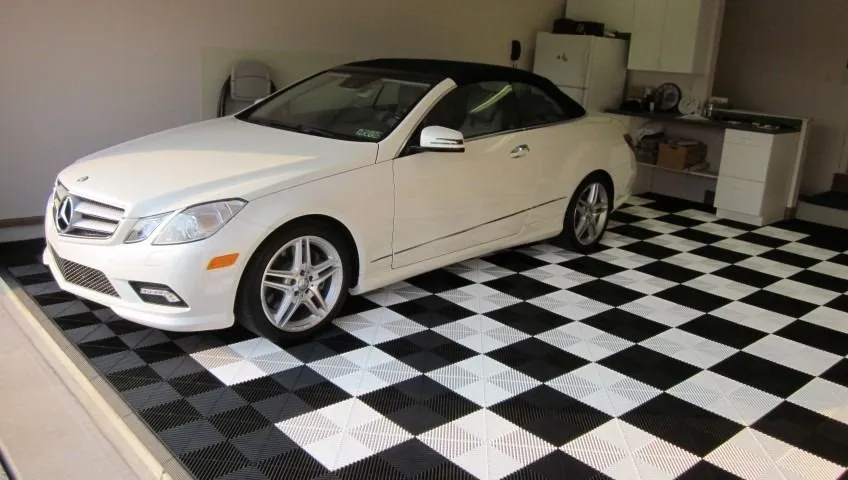
Durable Tiles that are easy to clean - At The Garage Authority, we install modular interlocking tiles and precision-cut porcelain tile systems that transform Asheville garage floors into durable, chemical-resistant surfaces designed to anchor full-space storage and organization upgrades. Our custom tile installations handle high traffic, vehicle loads, and extreme temperature swings common to Western North Carolina garages.
Why Asheville Homeowners Trust Our Tile Installations
- Over 14 Years of Experience serving Western North Carolina
- 2021 Small Business Sales Team of the Year from the Greenville Homebuilders
- Special Feature Best Garage Award for 2021, 2022, and 2024
- Business Growth Awards from the Henderson County Chamber of Commerce from 2015–2023
- Local, woman-owned, faith-based business
- Veteran, Military, & First Responder Discounts
- Payment Alternatives Available
- FREE Comprehensive Design Consultation

Reviewed by Nancy Martin, Owner
Nancy is the Owner of The Garage Authority, with 15+ years designing custom garage and home organization systems across Western North Carolina and Upstate South Carolina. This content has been reviewed for design accuracy and adherence to professional garage organization and storage standards.
Why Garage Floor Tiles Are Needed in Asheville
Most Asheville homeowners discover their concrete garage floor's shortcomings the hard way: cracks that spiderweb after a hard freeze, oil stains that penetrate bare concrete and never lift, efflorescence blooms from moisture wicking upward through the slab. In the mountains of Western North Carolina, frost depths can reach 12 to 18 inches depending on elevation, as reported by PermitsGuide, which means concrete slabs experience seasonal heaving that bare surfaces telegraph as hairline fractures. What begins as a cosmetic issue becomes structural: those hairlines admit water, freeze-thaw cycles widen them, and within two seasons you're grinding out failed sections or resurfacing the entire floor.
- A durable surface built for years of use
- Easy cleanup and low maintenance
- Improved traction and safety
- A cleaner, more finished appearance
- Protection from stains, spills, and moisture
- Custom colors and patterns to match your style
- Added comfort and insulation underfoot
The compounding problem is that a compromised floor undermines every upgrade built on top of it. Install heavy-duty overhead racks or wall-mounted cabinets anchored to a cracked, shifting slab and you inherit two problems: fasteners lose holding power as the concrete degrades, and uneven settlement torques shelving out of level. Moisture from an unsealed slab migrates upward, corroding steel frames, warping stored materials, and fostering mildew in enclosed cabinets. When the floor fails, everything you're storing above it comes crashing down too.
Asheville's temperature swings and Buncombe County humidity add another layer. A concrete floor that stays cold and damp through spring invites condensation on tools, vehicles, and anything metal. Without a moisture barrier and a textured, non-slip surface, your garage becomes a hazard instead of a space you can actually use. Garage floor tiles address all three failure modes at once: they seal the concrete against moisture intrusion, provide a stable load-bearing surface that distributes weight across interlocking modules, and deliver a non-slip textured finish that performs in wet conditions.
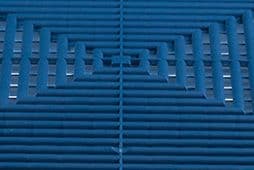
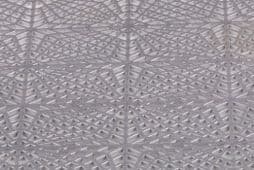
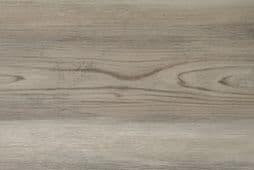
Choose from Our Popular Styles
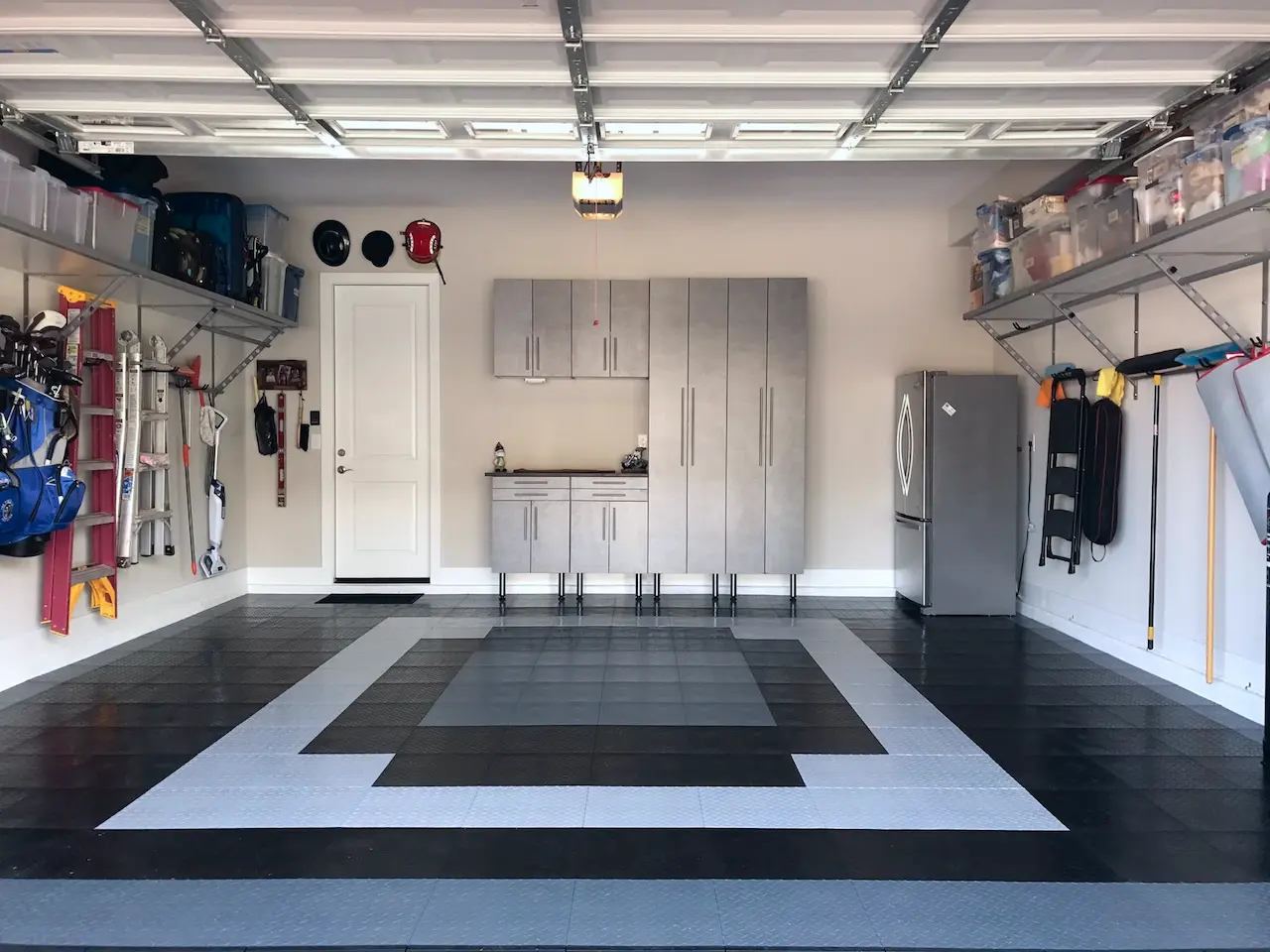
Choose from our most popular styles that reflect your style and bring calm, clean energy to your everyday routine.

Choose from Our Popular Colors
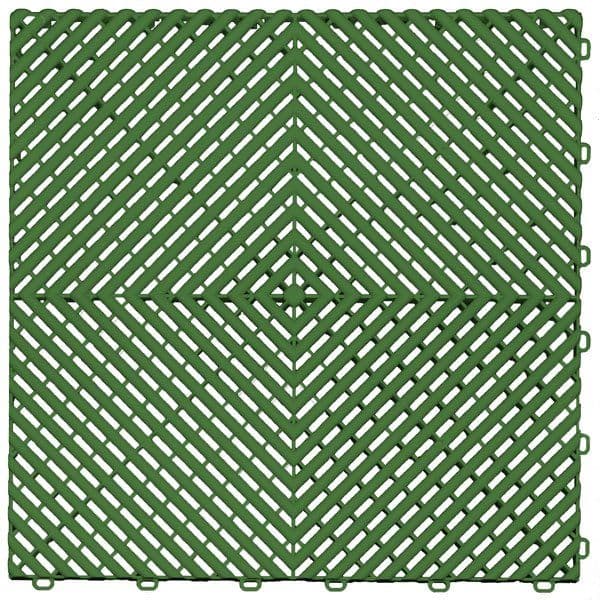
Choose from our most popular tile colors.
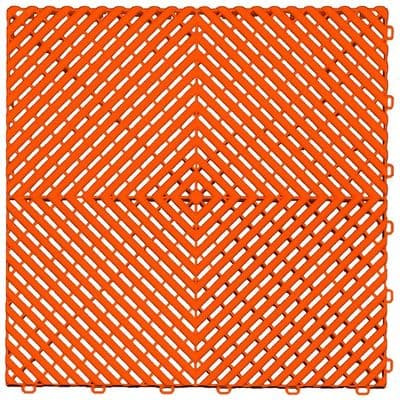
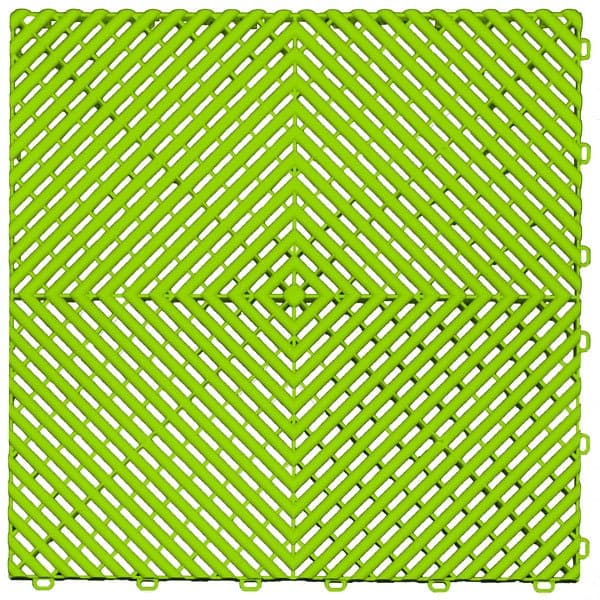
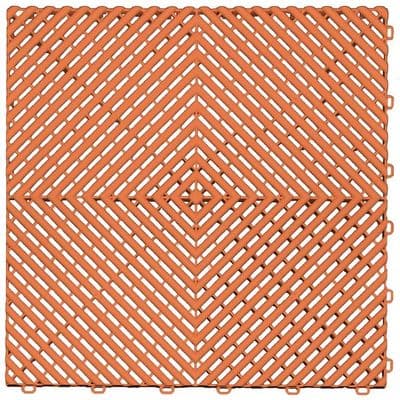
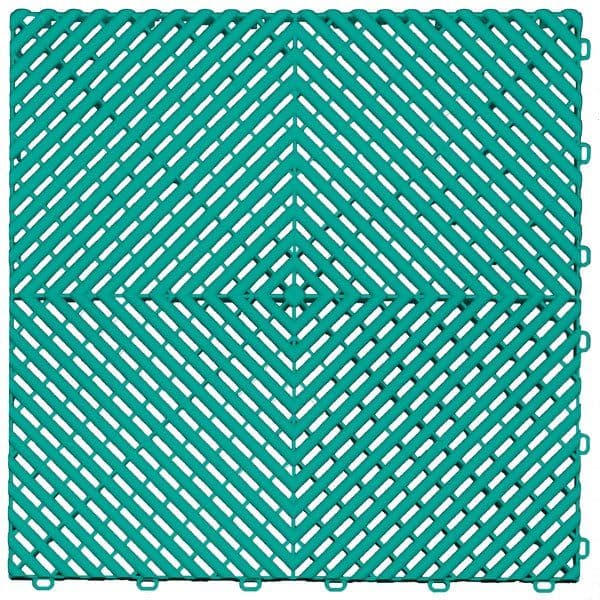
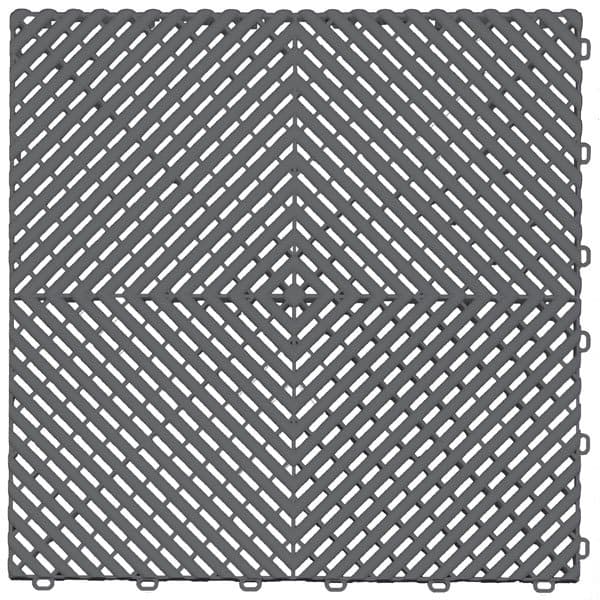
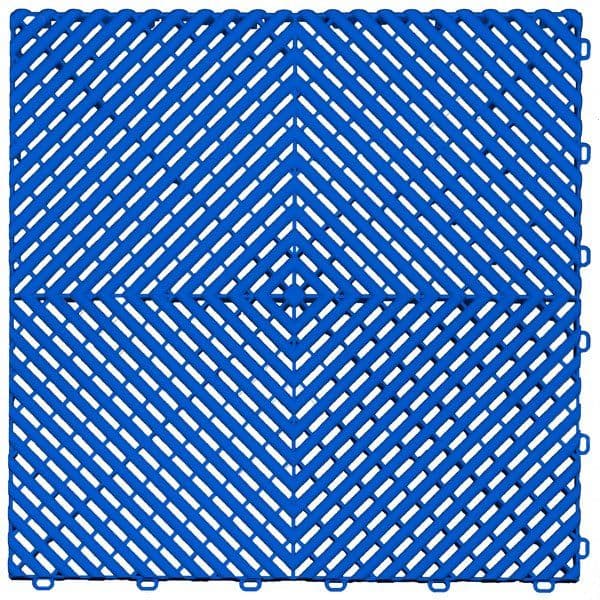
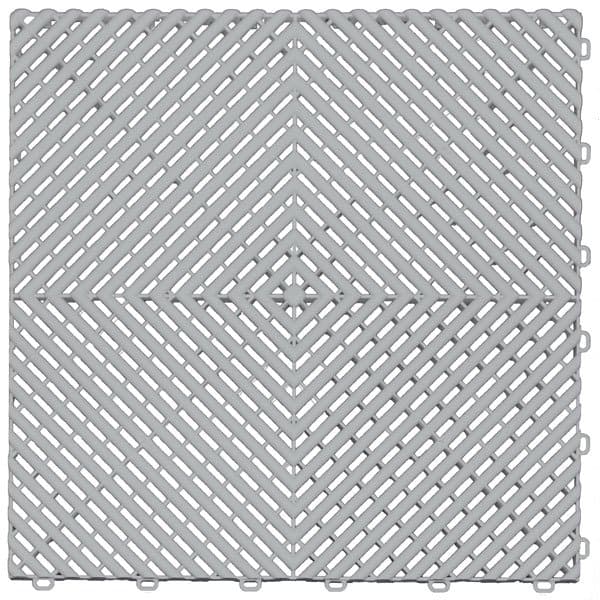
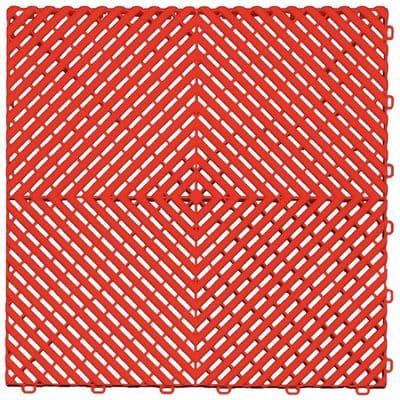
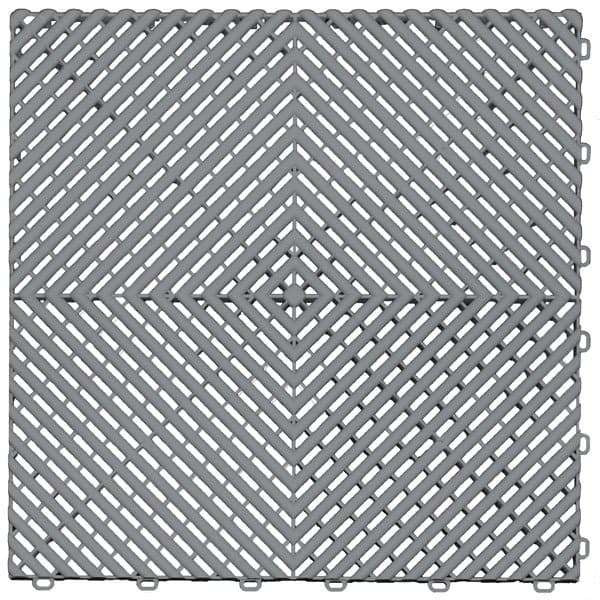
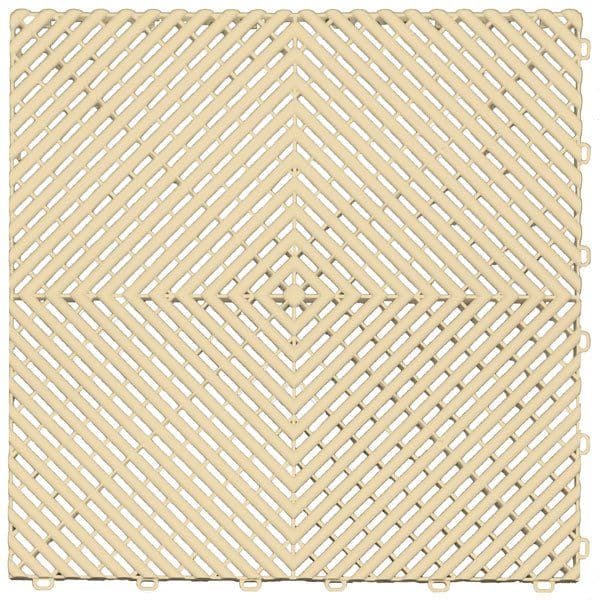
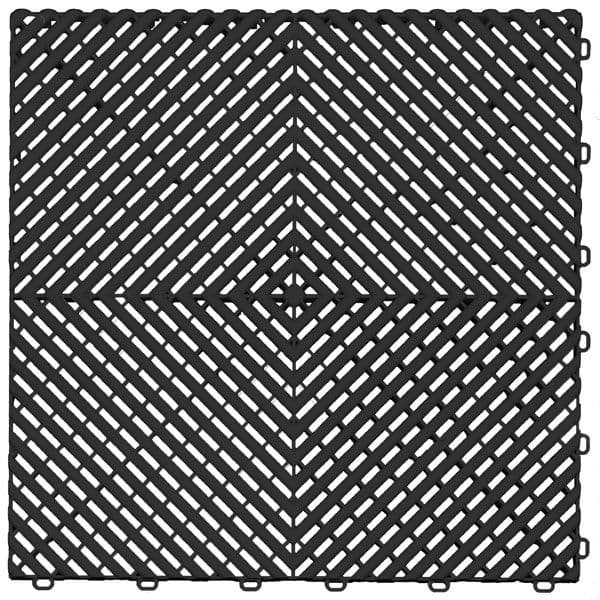
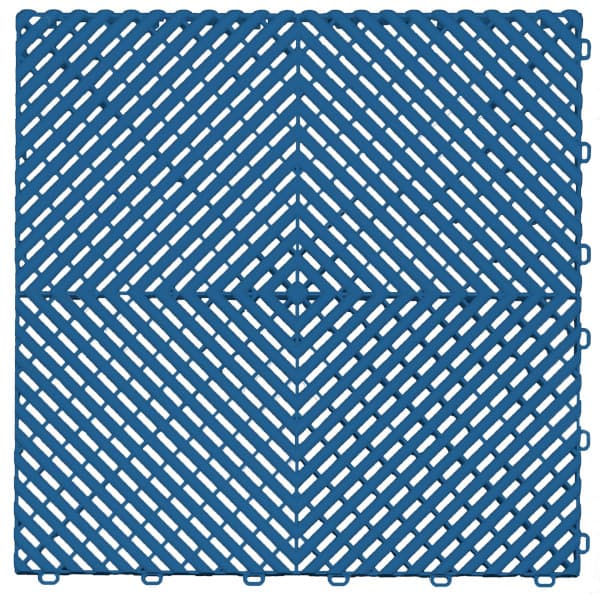
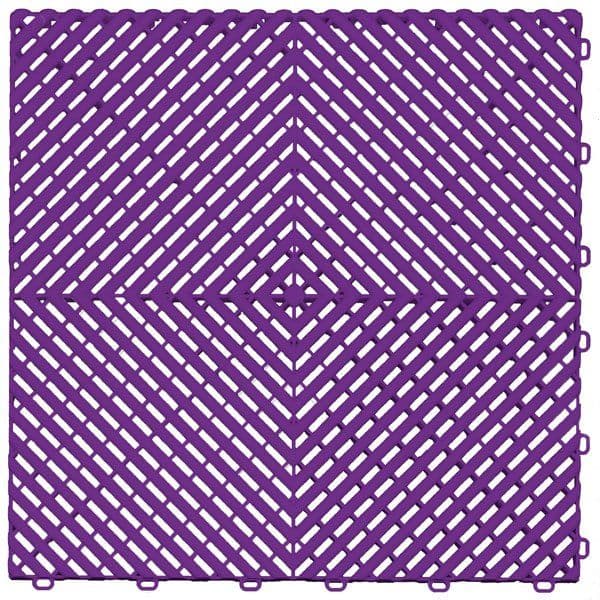
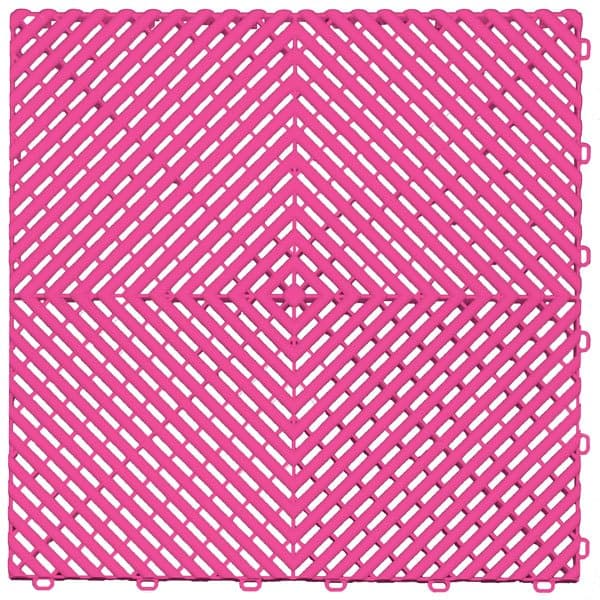
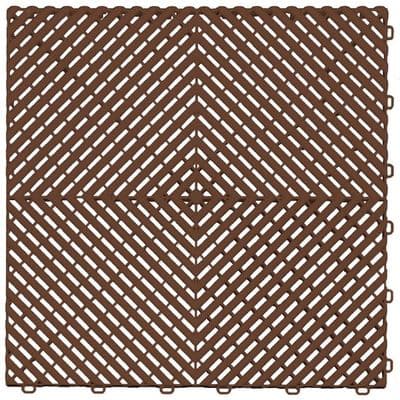
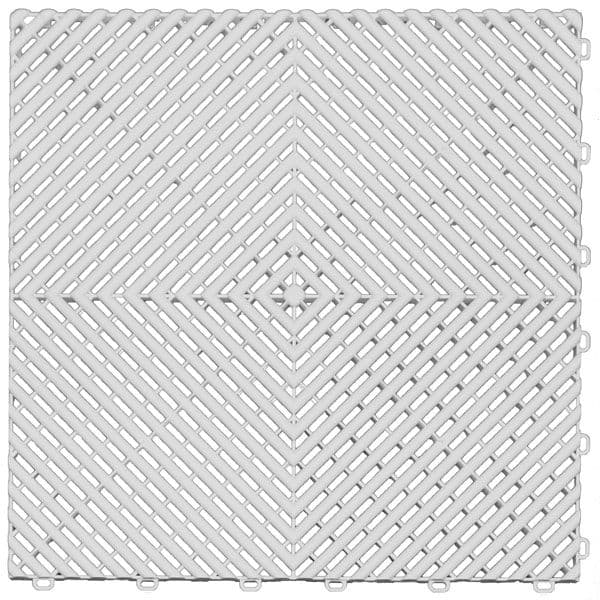
Contact us to learn more about how we can make your garage the best room in the house.

Your new home in 3 easy steps
Consultation and Quote
Call, text, or contact us to schedule a free design consultation. We’ll talk through your goals, show material samples, and provide a line item estimate for your future garage.
Garage in 2-6 Weeks!
We’ll prep your garage, install flooring first, then storage. We’re respectful of your time and HOA guidelines—no dragging the job out for months.
Your dream now a reality, you can now find what's in your garage, use your garage to park your car and show it off to the neighborhood. Now enjoy a clutter-free, stress-free garage.
Our Garage Floor Tile Installation Process
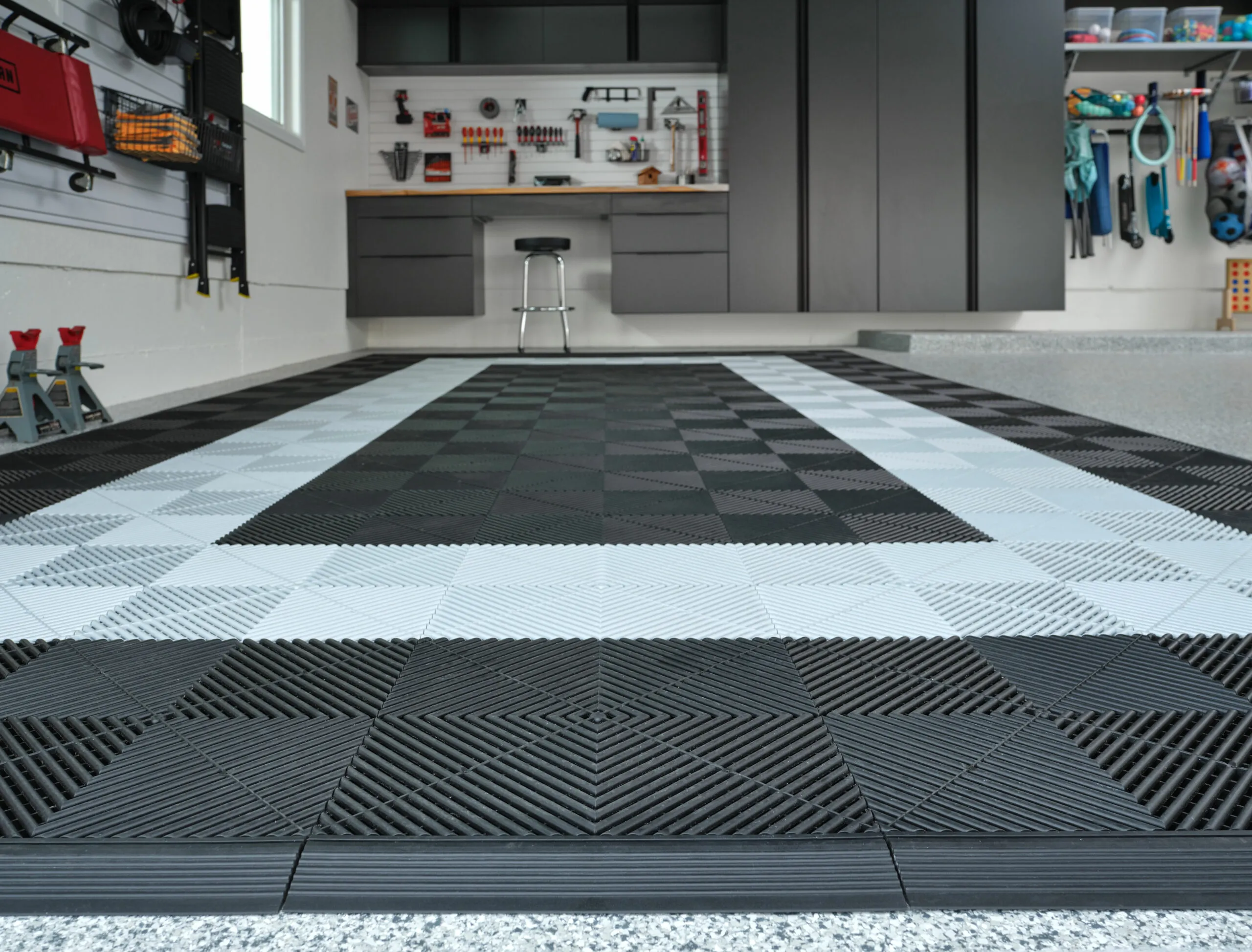
We treat every tile installation as a complete floor project, not just something that looks pretty on top. Each step builds toward a durable foundation capable of supporting heavy storage loads, resisting chemical exposure, and maintaining traction under real-world use.
Floor Preparation and Concrete Repair
Before any tile touches the slab, we address the substrate. We grind down high spots, fill and level cracks wider than a credit card, and patch spalled areas with epoxy-fortified concrete repair compound. Surface preparation is mechanical: we use diamond grinding to open the concrete's pores and remove contaminants—old coatings, oil penetration, efflorescence—that would prevent proper adhesion or create uneven tile seating. The slab is vacuumed and solvent-wiped to remove all dust and residue. For porcelain tile installations requiring thinset mortar, we verify the slab is flat to within 1/8 inch over 10 feet; deviations beyond that threshold trigger floor leveling with self-leveling compound.
Moisture Testing and Primer Application
Concrete in Asheville garages can retain moisture year-round, especially in shaded or poorly ventilated spaces. We conduct a calcium chloride moisture vapor emission test on slabs with a history of dampness or efflorescence. If emission rates exceed the tile manufacturer's threshold (typically 3–5 pounds per 1,000 square feet per 24 hours for PVC tiles, lower for porcelain), we apply a moisture-mitigating epoxy primer or specify a drainage mat underlayment that allows vapor to pass beneath the tile without delaminating it. The primer also functions as a bonding layer for rigid tiles, creating a chemical bridge between concrete and adhesive.
Tile Selection: PVC Interlocking vs. Porcelain
We offer two primary tile systems, each suited to different performance requirements. PVC interlocking tiles—coin pattern, diamond plate, ribbed surface, or smooth—install without adhesive. The tiles lock together via edge clips or dovetail connectors, creating a floating modular floor that accommodates minor slab movement and allows individual tile replacement if damaged. Installation requires 48 hours of acclimation time at site temperature before laying, as recommended by industry installation guides such as those published by Perfect Surfaces, which states that homeowners should leave garage tiles on the subfloor to acclimate for at least two days before beginning installation. PVC tiles are chemical resistant, oil resistant, and temperature resistant from sub-zero to 140°F, making them suitable for unheated garages and high traffic areas.
Porcelain tile systems deliver showroom-floor aesthetics and exceptional compressive strength. According to the Vault Garage research, porcelain tiles have a breaking strength 2 to 3 times greater than granite and 7 to 8 times greater than marble, with a 3 times higher resistance to deep abrasions compared to quarried surfaces. Their absorption rate of less than 0.01% to 0.04% classifies them as impervious, meaning standing water, oil, coolant, and deicing salt cannot penetrate. We install porcelain tile over a troweled thinset mortar bed, back-buttering each tile to ensure 95% coverage and eliminate voids that could crack under point loads. Grout joints are sealed with an epoxy-based grout or a flexible urethane grout that resists staining and chemical attack.
Layout, Cutting, and Installation
We dry-lay the tile pattern before final installation to minimize cuts and ensure symmetry. For interlocking PVC, we start from the center or a dominant sight line and work outward, using edge trim or ramped transition pieces at door thresholds and walls. Perimeter cuts are made with a utility knife or tile saw to fit around posts, drains, and irregular wall lines. For porcelain, we snap chalk lines to establish perpendicular layout axes, apply thinset in sections no larger than we can tile within the mortar's open time (typically 20–30 minutes), and set tiles with spacers to maintain consistent grout joints. A notched trowel ensures uniform mortar thickness; we beat each tile into place with a rubber mallet and check for lippage with a straightedge.
Grouting, Sealing, and Topcoat
Porcelain tile joints receive epoxy or urethane grout 24 hours after tile installation, once the thinset has achieved initial cure. We pack grout fully into joints, strike smooth, and sponge-clean the tile surface within the grout's working window to prevent haze. A penetrating sealer is applied to the grout lines (if using cementitious grout) to resist oil and moisture intrusion. For certain custom design requests, we apply a topcoat sealer over the entire tile surface for added UV resistance and easier maintenance, though porcelain's inherent density makes this optional rather than required. Interlocking PVC tiles require no grout or topcoat; the system is walk-ready immediately after installation.
Cure Time and Load Restrictions
PVC tile systems can bear light foot traffic immediately and vehicle traffic within 24 hours. Porcelain installations require a longer cure schedule: foot traffic after 24 hours, wheeled loads after 72 hours, and full vehicle parking after 7 days to allow the thinset and grout to reach design strength. We mark the floor with caution tape and provide written cure instructions to prevent premature loading that could displace tiles or crack grout joints.
Why Porcelain and PVC Tiles Outperform Other Garage Flooring Options
Material science and durability testing distinguish garage floor tiles from alternative flooring systems. Porcelain tile's compressive strength and abrasion resistance are documented across multiple performance benchmarks: according to research compiled by Vault Garage, porcelain has a breaking strength 2 to 3 times greater than granite and a 3 times higher resistance to deep abrasions compared to quarried surfaces. The same source notes that porcelain tiles have an absorption rate of less than 0.01% to 0.04%, classifying them as impervious—a critical performance metric for garage environments exposed to oil, coolant, and road salt. For comparison, approximately 66% of quarry volume is waste by-product, while engineered porcelain delivers consistent density and strength across every tile.
Longevity projections further separate tile from coating systems. The life expectancy of porcelain tile is documented at 50 to 100 years of useful life, compared to polished concrete at 25-plus years, as reported by Vault Garage research. Interlocking PVC tiles, while not as long-lived as porcelain, offer modular replaceability and require no curing or chemical bonding, making them suitable for quick installation projects and environments where individual tiles may need periodic replacement due to high traffic or heavy equipment use.
What Our Customers Say About Their Garage Tile Projects
Carol Davis wrote: "Mike, the installer, looked at my floor and said most definitely! The process took three days and at the conclusion, I couldn't be happier. My remodeling contractor, who had never seen this floor application done anywhere but a garage, was amazed. There is no grout, water resistant, non-slippery, a wide selection of colors, and very easy to maintain."
Byron Higgins noted: "A garage floor epoxy surface was applied on a new 2 car garage. The entire process, picking the pvc chip color and scheduling was very easy. The floor looks terrific and a good value. I would not hesitate to use this franchise again."
Gary Paige shared: "Garage Authority of Arden recently installed a Poly chip floor system in our 2+ garage. The crew was timely, respectful, and laser focused on providing us a professional quality beautiful job. From estimate to completion, this company excels at providing outcomes for which you will be proud."
Serving Asheville and Western North Carolina
We serve homeowners throughout Asheville, Buncombe County, and Western North Carolina with professional garage floor tile installation. Our service area includes Arden, Hendersonville, and surrounding communities. Every project begins with a free comprehensive design consultation where we assess your concrete slab condition, discuss tile options, and design a flooring solution that fits with how you want to use your whole garage.

Garage Tiles FAQ
How do garage floor tiles compare to coatings like epoxy or polyaspartic?
Tiles are a great alternative to coatings—especially for those who want a fast, odor‑free install with no downtime. They’re not bonded to the floor like coatings, which makes future repairs or changes much easier.
How long is the warranty?
We provide a 10‑year workmanship warranty on all our products with a lifetime manufacturer warranty on shelving and cabinets. We stand by our work and ensure quality.
Can I park vehicles on them?
Absolutely. Our tiles are designed to hold up under the weight of cars and trucks.
How much does garage floor tiles cost?
Garage floor tiles typically cost between $5 to $6 per square foot, depending on the tile style, brand, and color. For a standard two‑car garage, that puts most projects in the $600 to $1,200 range for materials alone. Professional installation adds additional cost but ensures a clean, durable finish.
Are there any downsides to garage floor tiles?
Garage tiles are incredibly durable and versatile, but they may not be the best choice for every homeowner. Because garages typically aren’t perfectly square, installations often require cutting partial tiles—especially around walls and corners. While we take care to ensure a clean, professional finish, if you're highly particular about seamless aesthetics, our floor coatings may be a better fit. Coatings provide a completely smooth, edge‑to‑edge look with no visible seams.
Do I need to clean out my garage before install?
If you’re getting shelving only, just clear 6 feet around the wall. If you’re doing flooring, everything needs to be off the floor. We offer temporary storage pods and labor help at a discount to make it easy.
Do they work well in Florida’s humidity?
Yes. These tiles are mold‑ and mildew‑resistant and allow airflow beneath, preventing moisture buildup on your garage floor.
Can I add shelving or cabinets later?
Absolutely. We specialize in integrated garage solutions—so your flooring, shelving, and ceiling racks all work together. You can start with flooring and expand anytime.
Do I need to fix the slope of the garage myself?
We don't fix the slope of the garage but will fix cracks or fractures.
What are common mistakes homeowners make?
Trying to DIY, painting at the wrong time, or choosing slatwall for heavy storage (it’s not made for that). We’ll guide you toward the right solution—no guesswork, no regrets.
How do I get started?
It’s easy – just call or email us for a free in‑home consultation. We’ll assess your needs and give you a no‑pressure quote. There’s no obligation, and we’ll answer all your questions so you feel comfortable. One call could end your garage headache for good!
Can I use these tiles in other areas of my home?
Yes! There are in‑home options, gym floor options, and more!
Are these garage tiles easy to clean?
With channels beneath each tile, it's easy to spray debris out from under the tiles without worrying about build‑up underneath.
Will tiles slip from their places?
Thanks to up to 24 connections, these tiles fit together tight, so you won't have to worry about the tiles slipping around as you walk throughout the garage.
Are the tiles a permanent garage flooring solution?
These tiles don’t have to be permanent. If you decide to sell your home and can't stand leaving your garage tile flooring behind, they can be popped up and taken with you for installation in your next home.