

Does Garage Storage Help Sell Your Home? The Engineering Factor Buyers Notice First
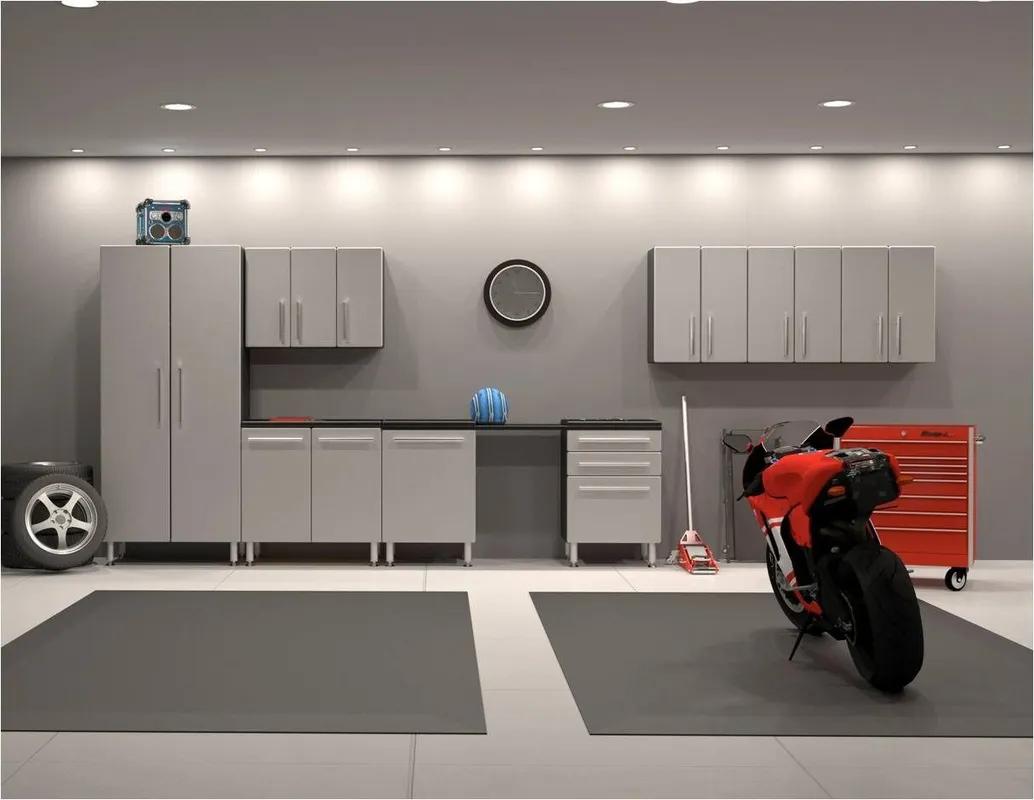
Garage storage helps sell homes faster not by adding square footage, but by demonstrating engineered functionality over decorative staging. Permanent systems with powder-coated steel, polyurea floor coatings, and weight-rated mounting serve as visual proof that the entire property has been systematically organized to handle real-life storage demands rather than staged for appearance alone—a distinction that 83% of buyers' agents say helps prospective buyers envision themselves in the space.
Why Engineered Systems Outperform Cosmetic Staging
Traditional home staging removes clutter and arranges furniture for visual appeal. Engineered garage organization, by contrast, introduces structural systems designed around load capacity, climate resilience, and workflow patterns. The difference resonates during showings and property photography.
A 2019 survey by the National Association of Home Builders found that 85% of homebuyers value garage storage. Yet the data reveals a deeper truth: buyers aren't simply checking a feature box. They're evaluating whether a property can absorb their belongings—seasonal gear, tools, recreational equipment—without visual chaos returning the moment staging ends.
Material Specifications Signal Durability Beyond the Garage
Powder-coated steel shelving and overhead racks communicate permanence. Powder coating is a thermoset finish applied electrostatically and cured under heat, creating a surface that resists scratching, moisture, and temperature swings far better than paint or vinyl-dipped alternatives. When buyers see this level of material engineering in a garage, they infer similar standards throughout the home.
Polyurea floor coatings follow the same logic. The application requires surface grinding to open the concrete's pores, crack repair with flexible fill, and moisture testing to confirm the slab is dry enough for adhesion. These prep steps aren't visible in the final result, but the performance is: a floor that survives hot tire pickup, chemical spills, and freeze-thaw cycles without peeling. Buyers recognize durability when they see it, even if they can't name the chemistry behind it.
Load Ratings and Structural Mounting Replace Guesswork
Generic wire shelving sags under load. Wall-mounted bracket systems tear out when overloaded. Engineered systems eliminate that uncertainty with documented capacity. Overhead racks mounted to ceiling joists with lag bolts or structural fasteners rated for the load handle 400 to 600 pounds for residential systems, with heavy-duty configurations reaching 1,500 pounds or more.
Drawer systems using ball-bearing slides rated for 75 to 100 pounds per drawer signal the same design intent: the system was built to function under real-world stress, not just look organized when empty. Buyers evaluating a home mentally rehearse their own storage needs. A system with visible structural integrity answers the unspoken question of whether their camping gear, holiday decorations, or workshop tools will fit without improvisation.
The Consultation Process as a Transferable Asset
Many sellers overlook a subtle advantage: the design consultation itself becomes a selling point. A CAD-drawn spatial plan showing overhead storage zones, wall-mounted tool organization, and seasonal gear migration demonstrates custom problem-solving rather than catalog installation.
Jerry Rolinski wrote in his review about The Garage Authority: "Garage Authority designed and installed raised steel shelving in our garage. They provided outstanding work. I would highly recommend them. The cost of the project had a payback of 1 1/2 year. We are able to move all our storage to these shelves. Lora Lee is excellent to work with and provide a very good CAD development drawing layout." This ongoing communication structure defined the customer experience.
When that CAD drawing transfers to the next buyer, it communicates intent. The seller didn't simply clear space for a showing. They commissioned a functional storage strategy designed around actual use patterns: where bicycles hang, where garden equipment clusters, where seasonal items migrate out of active zones. Buyers interpret this as evidence of thoughtful ownership throughout the property.
Warranty-Backed Installations Convey Accountability Standards
A lifetime warranty on garage systems signals something beyond the garage itself. The Garage Authority backs installations with lifetime warranties on all systems. When buyers learn that shelving, overhead racks, and floor coatings were installed under that accountability standard, they extrapolate: if this seller held contractors to that bar in the garage, maintenance standards elsewhere likely followed the same discipline.
Chris Champlin wrote: "The quality is excellent. The team had an issue filling a crack, it did not meet their own quality standards, and they come back to do it all over again. Very polite, very professional and efficient." That level of self-correction during installation becomes part of the property's story during showings.
Return on Investment and Sale Speed
Home staging in general delivers measurable impact. 29% of real estate agents reported that staging led to a 1% to 10% increase in dollar value offered, and 49% of sellers' agents observed that staging reduced time on market. Garage organization contributes to that effect, but through a distinct mechanism.
Functional Space Versus Decorative Appeal
Traditional staging invests $1,500 to $5,500 on furniture rental and decor placement. That spend focuses on living rooms, primary bedrooms, and kitchens—spaces where visual presentation drives emotional response. Garage systems occupy a different psychological position: buyers evaluate them as functional infrastructure rather than aesthetic staging.
The distinction matters for return on investment. Easy cosmetic updates priced at $12,000 to $15,000 made a house instantly worth $40,000 more in documented cases, but those updates typically concentrated on curb appeal and interior finishes. Garage organization costs less—most installations complete in one to two days with material and labor combined—while delivering a different form of value: proof that storage demands were solved, not simply hidden.
Buyer Psychology and Mental Ownership
Buyers mentally move into a property during showings. They picture their furniture in living rooms, their cookware in kitchens, their routines in morning bathrooms. Garages trigger the same rehearsal, but around belongings staged homes typically hide: tools, sports equipment, seasonal decorations, overflow household items.
When a garage displays engineered storage with visible capacity remaining, buyers solve their mental storage problem immediately. They see where their kayaks will hang, where lawn equipment will cluster, where holiday bins will stack without blocking vehicle access. That mental ownership accelerates purchase decisions.
- Overhead racks grouped by seasonal use: Christmas decorations, camping gear, and off-season sporting equipment stored overhead demonstrate that high-frequency items remain accessible while low-frequency storage stays out of the way.
- Wall-mounted tool zones with clear sight lines: Pegboards, slatwall systems, and dedicated tool cabinets let buyers visualize their own workshop setup without rearranging the entire space.
- Floor space preserved for vehicles: When storage migrates to walls and ceilings, vehicles fit comfortably with room to open doors fully—a detail buyers notice immediately upon entering the garage.
Engineering Versus Decoration: What Buyers Actually Evaluate
Buyers distinguish between temporary fixes and permanent solutions faster than sellers expect. A garage swept clean and emptied for showings raises a question: where did everything go, and will it fit when the buyer moves in? Installed systems answer that question before it's asked.
Structural Integrity as a Proxy for Overall Home Quality
Overhead racks mounted to ceiling joists with lag bolts rated for load communicate structural thinking. Most residential garage ceiling joists handle 10 to 50 pounds per square foot. Properly installed systems distribute weight across multiple joists, achieving safe working loads far exceeding what freestanding shelves or improvised brackets manage.
Buyers notice mounting details even when they lack technical expertise. Visible lag bolts, clean weld seams on steel frames, and level installations signal competence. By contrast, sagging wire shelving, wall anchors pulling free, or uneven brackets suggest deferred maintenance—a perception that extends beyond the garage itself.
Climate Resilience and Long-Term Performance
Garages cycle through temperature extremes, humidity fluctuations, and direct exposure to road salt, gasoline, and garden chemicals. Systems engineered to survive those conditions—powder-coated steel that resists corrosion, polyurea coatings that flex with concrete expansion—prove their design intent through visible performance.
A cracked epoxy floor or rusted shelving brackets tell buyers that shortcuts were taken. A garage floor with intact coating after years of use, or steel shelving without surface oxidation, tells the opposite story: materials were chosen for longevity, not initial cost. Buyers extrapolate those standards to roofing, HVAC, plumbing, and electrical work they can't inspect as easily.
Comparing Permanent Solutions to Temporary Staging
Home sellers face a choice: invest in decorative staging that vanishes after closing, or install functional systems that transfer with the property. Each approach serves different goals.
- Decorative Home Staging
Cost: $1,500 to $5,500 for consultation, furniture rental, and decor placement.
Duration: Rental furniture stays in place for the listing period, typically 30 to 90 days.
ROI: 29% of agents report a 1% to 10% increase in sale price; 49% observe reduced time on market.
Buyer perception: Enhances visual appeal and helps buyers envision living spaces, but does not address functional storage needs.
- Engineered Garage Organization Systems
Cost: Variable by system complexity and garage size; most installations complete in one to two days.
Duration: Permanent systems with lifetime warranties that transfer to the next owner.
ROI: Buyers value garage storage at 85% according to NAHB data; systems function as proof of engineering thinking applied throughout the property.
Buyer perception: Demonstrates that storage was designed with weight ratings, climate resilience, and workflow patterns rather than simply cleared for showings.
What Decreases Property Value and What to Avoid Before Sale
Garage storage increases value, but related decisions can work against sellers if mishandled.
Clutter Versus Organized Storage
A garage filled with boxes stacked floor-to-ceiling signals disorganization, even if contents are neatly labeled. Buyers mentally subtract usable space when they see clutter, regardless of whether items are temporary. Installed systems—shelving, overhead racks, wall-mounted zones—convert clutter into organized storage, preserving perceived square footage.
Incomplete or Low-Quality Installations
Half-finished projects decrease value more than unstarted ones. Shelving installed crooked, floor coatings peeling at edges, or storage systems visibly overloaded suggest the seller lacked either skill or commitment to finish properly. Buyers factor repair costs into offers or walk away entirely.
Overbuilding Beyond Market Expectations
A three-car garage transformed into a climate-controlled workshop with custom cabinetry, epoxy floors, and commercial-grade lighting appeals to niche buyers but may not recover costs in standard residential markets. Engineered storage systems installed at residential scale—overhead racks, wall-mounted shelving, polyurea floor coatings—deliver broader appeal without overbuilding.
Making the Right Choice for Your Needs
The decision to install garage storage before sale depends on your timeline, budget, and property positioning.
For Home Sellers Preparing Property for Market
If your home competes in a market where 62% of recently-built homes include two-car garages with organized storage, an empty or cluttered garage stands out negatively. Installing systems before listing communicates that the property is turnkey rather than requiring buyer investment immediately after purchase.
Most garage cabinet and shelving installations complete in one to two days. Floor coatings require surface prep on day one, application on day two, and a cure period of 24 to 48 hours before the floor is ready for vehicle traffic or heavy use. The time investment fits within typical pre-listing preparation schedules without extending market entry dates.
For Real Estate Agents Seeking Functional Staging Strategies
Garage organization offers a staging advantage that persists beyond the listing period. Unlike rented furniture that disappears after closing, installed storage systems function as both visual enhancement and practical infrastructure. Photography improves, showings reveal usable space instead of clutter, and buyers receive tangible value rather than temporary staging.
Highlighting engineered features during showings—powder-coated steel, load ratings, lifetime warranties—positions the property as thoughtfully maintained. Buyers interpret functional upgrades as evidence that other systems received similar attention.
For Prospective Home Buyers Evaluating Properties
When comparing homes, assess garage storage as infrastructure rather than cosmetic detail. Ask whether systems are permanently installed or simply cleared for staging. Check mounting quality, load capacity, and material durability. A garage with engineered storage often signals broader maintenance standards throughout the property.
If a property includes CAD drawings or installation documentation for garage systems, request copies. These documents communicate the seller's design intent and help you understand capacity and layout without trial-and-error experimentation after move-in.
Transform Your Garage Into a Selling Asset
Garage organization sells homes by demonstrating that storage challenges were solved through engineering rather than hidden through staging. Buyers recognize permanent systems, material quality, and structural integrity as proof that the entire property was maintained to lasting standards. If you're preparing a home for sale or evaluating properties as a buyer, The Garage Authority offers free comprehensive design consultations to assess your specific storage needs and timeline. Contact the team today to explore how engineered garage systems deliver value beyond square footage.